


Chicago Multi-Vehicle Car Accident Lawyer
If you were hurt in a chain-reaction crash, a Chicago multi-vehicle car accident lawyer can help you pursue compensation from one or more at-fault drivers. These cases often involve several parties, conflicting accounts, and aggressive insurance tactics.
A multi-vehicle crash can leave you with serious injuries, multiple insurance claims, and confusion about who caused the collision.
You need clear answers fast. Multi-car accidents can involve layered liability, meaning more than one driver may share fault. Evidence disappears quickly, and insurers often try to shift blame to limit payouts. Acting early helps protect your claim and your recovery.
“When several vehicles collide, the truth can get buried under competing stories. A focused legal approach helps uncover what happened and who must be held accountable.”
~ Attorney Kurt D. Lloyd

Call 773-838-8100 for a consultation today. You can review your options, understand your rights, and take the next step toward financial recovery after a serious crash.
Table of Contents
What Is a Multi-Vehicle Car Accident?
A multi-vehicle accident involves three or more vehicles and often unfolds in seconds, yet leaves lasting consequences. These car accidents are common on busy Chicago roads, highways, and intersections where traffic density is high, and reaction time is limited. What may begin as a single impact can quickly escalate into a chain reaction involving several drivers.
These accidents may include chain-reaction rear-end collisions, highway pileups, intersection crashes from multiple directions, or secondary impacts after the initial crash. In many cases, your vehicle may be struck more than once, increasing the severity of injuries and making it harder to determine who is responsible.
These accidents are often a result of:
- Sudden stops in heavy traffic, where one abrupt brake triggers a chain reaction
- Distracted driving, such as texting or looking away from the road
- Speeding, which reduces reaction time and increases stopping distance
- Weather conditions like snow, ice, or rain that limit control
- Tailgating, which leaves little room to stop safely
- Unsafe lane changes that force other drivers to react suddenly
When an accident occurs, it is crucial for you to identify the liable parties.
Who Is Liable in a Multi-Vehicle Crash?
Liability depends on the facts of your case. Parties who may be held liable for your resulting injuries and damages include:
- The driver who caused the initial impact
- Drivers who failed to stop in time
- Commercial vehicle operators
- Employers of negligent drivers
- Vehicle manufacturers (in rare cases involving defects)
Illinois follows a modified comparative fault rule. If you are less than 50% at fault, you may still recover damages. Your compensation is reduced by your percentage of fault.


Kurt D. Lloyd is a plaintiff’s trial lawyer who focuses on medical malpractice and other catastrophic injury cases. He lives in Chicago and represents injured clients throughout Illinois. He is also the founder of Lloyd Miller Law, Ltd.
Illinois Registration Status: Active
Bar Admissions: Illinois State Bar
How Fault Is Determined
Fault in a multi-vehicle accident is not always clear at first glance. You must show how each driver contributed to the crash, and that requires strong, well-documented evidence. In many cases, more than one driver shares responsibility, which can directly affect how compensation is awarded. Key evidence for multi-vehicle accident cases includes:
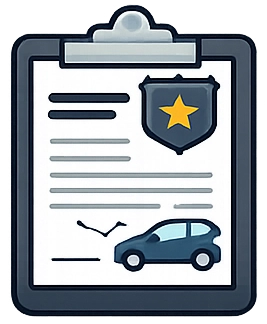

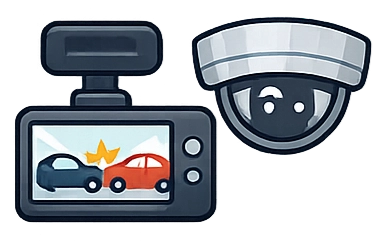


A detailed investigation connects these pieces to form a clear timeline of events. This process helps identify who caused the initial impact, who failed to react, and how the crash escalated. The stronger the evidence, the harder it becomes for insurers to shift blame or reduce your claim.
Injuries Common in Multi-Vehicle Accidents
These crashes can cause serious harm due to repeated impacts. Common injuries include:
- Traumatic brain injuries
- Spinal cord injuries
- Broken bones
- Internal bleeding
- Whiplash and neck injuries
- Burns or lacerations
Some injuries may not appear immediately. Seeking medical care right away protects your health and your claim.
What Compensation Can You Recover?
If another party caused your injuries, you may recover damages for:
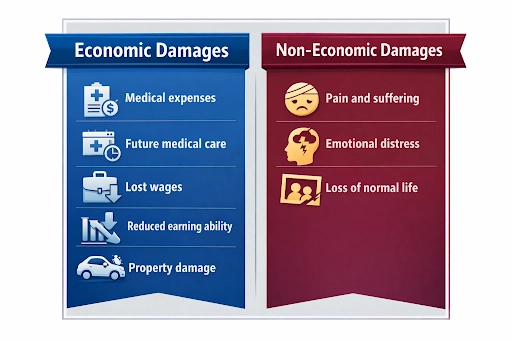
Economic Damages
- Medical expenses
- Future medical care
- Lost wages
- Reduced earning ability
- Property damage
Non-Economic Damages
- Pain and suffering
- Emotional distress
- Loss of normal life
The value of your claim depends on the severity of your injuries, your recovery time, and the impact on your daily life.
Steps to Take After a Multi-Vehicle Accident
What you do after a multi-vehicle crash can shape your financial recovery. Once you have received medical care or left the hospital, your focus should shift to protecting your claim. The days, weeks, and months that follow are critical. Each stage calls for specific actions that help preserve evidence, support your injuries, and prevent costly mistakes.
Immediately After the Accident
In the first hours and days after the crash, your priority is stabilization, both medically and legally. Even if you have already received treatment, there are still key steps to take:
- Ensure a police report was filed and request a copy when available
- Preserve any photos or videos taken at the scene
- Write down what you remember about how the crash occurred
- Keep all discharge paperwork and initial medical records
- Notify your insurance company that an accident occurred, but avoid detailed statements
Details fade quickly. Capturing your memory of the crash early can help clarify how multiple vehicles were involved and who may be at fault.
In the Days or Weeks Following the Crash
As you begin to recover, your claim begins to take shape. This is when insurance companies start reaching out and evidence becomes harder to secure.
Focus on the following:
- Attend all follow-up medical appointments and follow treatment plans
- Keep a record of symptoms, pain levels, and limitations
- Gather repair estimates or total loss documentation for your vehicle
- Collect contact and insurance information for all involved drivers if not already obtained
- Avoid speaking with other drivers’ insurance companies without preparation
You may receive calls asking for recorded statements or quick settlements. These early offers rarely reflect the full impact of your injuries. Proceed with caution and avoid making statements that could be used to shift blame.
In the Months Following the Accident
As your treatment continues, the long-term effects of the crash become clearer. This stage is critical for documenting the full extent of your losses.
Take these steps to strengthen your claim:
- Maintain consistent medical care and avoid gaps in treatment
- Track all expenses, including medical bills, prescriptions, and travel for care
- Document missed work and any changes in your ability to earn income
- Keep a journal describing how your injuries affect daily life
- Review any settlement offers carefully before accepting
Multi-vehicle accident claims often take time due to multiple parties and insurers. Patience at this stage can make a significant difference in the outcome.
Avoid Costly Mistakes Throughout the Process
At every stage, certain missteps can weaken your claim:
- Giving recorded statements without preparation
- Accepting early settlement offers
- Posting details about the accident on social media
- Missing medical appointments or ignoring treatment plans
Consistency and documentation are key. Every action you take should support the connection between the crash and your injuries.
How Legal Representation Helps
After a multi-vehicle crash, you are not just dealing with injuries. You are facing a system designed to limit payouts. Multiple drivers, multiple insurers, and conflicting accounts can quickly overwhelm you. A structured legal approach brings clarity, protects your rights, and positions your claim for a stronger outcome.
A lawyer steps in early to control the narrative, preserve key evidence, and prevent costly mistakes. While you focus on your recovery, your case is built with purpose and direction.
Build a Strong Case From Day One
A strong case does not happen by accident. It is built through early action and careful analysis.
Key steps include:
- Securing police reports and crash documentation
- Identifying all involved drivers and witnesses
- Preserving video footage from traffic or nearby businesses
- Reviewing vehicle damage to understand impact points
- Consulting accident reconstruction professionals when needed
In a multi-vehicle crash, timing matters. Evidence can disappear quickly. Skid marks fade. Vehicles are repaired or scrapped. Witnesses become harder to reach. Taking immediate action helps lock in the facts before they are lost.
Handle Insurance Companies With Strategy
Insurance companies move fast after a crash. You may receive calls within days, sometimes hours. Their goal is to limit financial exposure. A lawyer manages all communication so you do not have to deal with the pressure or confusion. This includes:
- Responding to adjusters on your behalf
- Preventing recorded statements that could harm your claim
- Reviewing settlement offers before you accept anything
- Identifying lowball offers or delay tactics
When multiple insurers are involved, they often shift blame between one another. Without a clear strategy, you may get caught in the middle. Legal representation keeps the process focused and controlled.
Maximize Compensation Through Full Case Valuation
Many accident victims underestimate the value of their claim. Early offers may seem reasonable, especially when medical bills begin to pile up. However, these offers often fail to account for long-term impact.
A thorough evaluation includes:
- Current and future medical treatment
- Lost wages and reduced earning capacity
- Ongoing rehabilitation or therapy
- Pain and disruption to your daily life
Your injuries may affect your ability to work, move comfortably, or maintain your routine. These losses must be documented and presented clearly. A complete claim reflects not just what you have lost today, but what you may face in the future.
Handling Complex Liability With Precision
Multi-vehicle crashes rarely involve a single at-fault party. Liability may be shared across several drivers, each with their own insurer and legal defense.
A lawyer works to:
- Identify every liable party
- Determine how fault should be divided
- Challenge attempts to shift blame onto you
- Present evidence that supports your position
Even a small shift in fault percentage can significantly affect your compensation. A detailed approach helps ensure responsibility is assigned fairly.
Coordinate Medical Documentation and Treatment
Your medical records play a central role in your claim. Gaps in treatment or incomplete documentation can raise questions about your injuries.
Legal guidance helps ensure:
- Your treatment timeline is clearly documented
- Medical records support your injury claims
- Healthcare providers supply necessary reports
- Future care needs are properly evaluated
This coordination strengthens the connection between the crash and your injuries.
Prepare for Litigation if Necessary
While many claims settle, some require formal legal action. When insurers refuse to offer fair compensation, your case must be ready to move forward.
Preparation may include:
- Filing a lawsuit within the legal deadline
- Conducting depositions and discovery
- Working with expert witnesses
- Presenting evidence in court
Strong preparation often leads to better settlement opportunities. It shows that your case is supported and ready for the next step.
Provide Clarity and Direction During Recovery
After a serious crash, uncertainty can add to your stress. You may wonder what to do next, how long the process will take, or whether you are making the right decisions.
Legal representation provides:
- Clear answers to your questions
- Regular updates on your case
- Guidance at every stage of the process
You do not have to figure this out alone. With the right approach, you can move forward with confidence while your case is handled with care and focus.
Illinois law sets a deadline for filing personal injury claims. In most cases, you have two years from the date of the accident.
Missing this deadline may prevent you from recovering compensation. Acting early helps protect your rights and strengthens your case.
Frequently Asked Questions About Multi-Vehicle Accidents
Multi-vehicle crashes often leave you with more questions than answers. Below are common concerns and clear explanations to help guide your next steps.
Can I still recover compensation if I was partially at fault?
Yes. Illinois follows a modified comparative fault rule. You may recover damages if you are less than 50% responsible for the crash. However, your compensation will be reduced based on your percentage of fault. A clear presentation of evidence helps limit how much fault is assigned to you.
How long does a multi-vehicle accident claim take?
The timeline for a multi-vehicle accident claim can vary. These cases often take longer than standard car accident claims due to multiple parties and insurance companies. Investigations, negotiations, and possible disputes can extend the process. While some claims settle in months, others may take longer depending on the complexity.
What if multiple insurance companies contact me?
You may receive calls from several insurers. Each company aims to protect its own interests. Speaking without preparation can affect your claim. It is often best to limit communication and seek guidance before providing statements or accepting any offers.
Speak With a Chicago Multi-Vehicle Car Accident Lawyer Today
A Chicago multi-vehicle car accident lawyer can help you make sense of a complicated situation and pursue the compensation you need after a serious crash. Acting quickly allows evidence to be preserved and strengthens your position against multiple insurers.
Call Lloyd Miller at
773-838-8100 for a consultation today.