Free Consultation
phone ringing icon

Category: Motor Vehicle Accidents

Featured Posts
The word "SETTLEMENT" printed on a torn piece of paper placed over several U.S. hundred-dollar bills. Low Settlement Offers
Once you receive a lowball settlement offer, politely reject it, remain calm, ask for a written explanation, and document everything. Low settlement offers are a common tactic insurance companies use to reduce the actual claim value after a Chicago car accident. The insurer exploits your vulnerability and limited legal knowledge to trick you into accepting a payout that does not cover the full scope of your damages or losses. 
A woman sitting on the roadside, holding her head in distress after a car accident. Why Insurance Companies Delay Car Accident Claims
Insurance companies delay car accident claims even when fault is clear to earn interest from the funds set aside for a payout, bring the claim near the statute of limitations, and push the claimant to accept a lowball settlement offer or quit pursuing the claim altogether. Delays in a Chicago car accident claim can lower your settlement value by weakening evidence and allowing insurers to dispute liability or damages. Crucial steps you can take to protect your rights when an insurance company delays your accident claim include recording every interaction, carefully examining your insurance policy, and seeking legal support.
a man in a wheelchair with a neck brace and an arm sling, indicating he has sustained injuries. Uber & Lyft Laws
Under Chicago Uber & Lyft laws, who pays after an accident depends on the status of the driver’s app. If the app is on, the rideshare company’s liability policy pays. If the app is off, the driver’s personal insurance covers damages and losses arising from the accident. If another driver was liable, that driver’s insurer will be responsible for covering the arising costs and losses.
Surrounding the intersection are tall buildings, and there are yellow taxis and other vehicles navigating the streets. Fault in Chicago Intersection Accidents
The Illinois modified comparative negligence law is instrumental in determining fault in Chicago intersection accidents. This rule apportions a percentage of liability to each driver involved in an accident. A driver who committed a traffic violation by failing to yield to oncoming traffic, speeding through a red light, or failing to maintain a safe driving distance may be found liable. Anyone whose fault is above 50% is barred from recovering damages.
Doctor looking at the brain scan film. Car Accidents and Traumatic Brain Injuries
Settlements for car accident cases involving traumatic brain injuries (TBIs) tend to be higher due to the extensive medical care needed, income loss, emotional toll the injuries have on victims, and long-lasting effects that victims may face. The higher compensation amounts for car accidents and traumatic brain injuries reflect the considerable health and financial consequences of these injuries.
If you were injured in a trucking accident in Chicago, Berwyn, Oak Lawn, Cicero, or a nearby community, call the injury attorneys at Lloyd Miller Law for a free consultation.

Low Settlement Offers After a Chicago Car Accident: What They Mean and What to Do Next

Posted By:
The word "SETTLEMENT" printed on a torn piece of paper placed over several U.S. hundred-dollar bills. Low Settlement Offers
Once you receive a lowball settlement offer, politely reject it, remain calm, ask for a written explanation, and document everything. Low settlement offers are a common tactic insurance companies use to reduce the actual claim value after a Chicago car accident. The insurer exploits your vulnerability and limited legal knowledge to trick you into accepting a payout that does not cover the full scope of your damages or losses. 

Why Insurance Companies Delay Car Accident Claims Even When Fault Is Clear

Posted By:
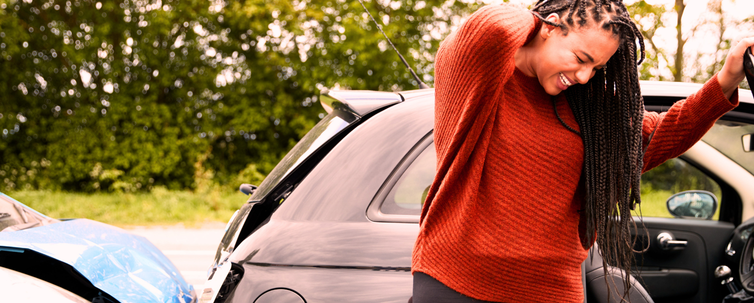
A woman sitting on the roadside, holding her head in distress after a car accident. Why Insurance Companies Delay Car Accident Claims
Insurance companies delay car accident claims even when fault is clear to earn interest from the funds set aside for a payout, bring the claim near the statute of limitations, and push the claimant to accept a lowball settlement offer or quit pursuing the claim altogether. Delays in a Chicago car accident claim can lower your settlement value by weakening evidence and allowing insurers to dispute liability or damages. Crucial steps you can take to protect your rights when an insurance company delays your accident claim include recording every interaction, carefully examining your insurance policy, and seeking legal support.

Chicago Uber & Lyft Laws: Who Pays After a Crash?

Posted By:
a man in a wheelchair with a neck brace and an arm sling, indicating he has sustained injuries. Uber & Lyft Laws
Under Chicago Uber & Lyft laws, who pays after an accident depends on the status of the driver’s app. If the app is on, the rideshare company’s liability policy pays. If the app is off, the driver’s personal insurance covers damages and losses arising from the accident. If another driver was liable, that driver’s insurer will be responsible for covering the arising costs and losses.

Proving Fault in Chicago Intersection Accidents: When Drivers Blame Each Other

Posted By:
Surrounding the intersection are tall buildings, and there are yellow taxis and other vehicles navigating the streets. Fault in Chicago Intersection Accidents
The Illinois modified comparative negligence law is instrumental in determining fault in Chicago intersection accidents. This rule apportions a percentage of liability to each driver involved in an accident. A driver who committed a traffic violation by failing to yield to oncoming traffic, speeding through a red light, or failing to maintain a safe driving distance may be found liable. Anyone whose fault is above 50% is barred from recovering damages.

Car Accidents and Traumatic Brain Injuries: Why Settlements Are Often Higher

Posted By:
Doctor looking at the brain scan film. Car Accidents and Traumatic Brain Injuries
Settlements for car accident cases involving traumatic brain injuries (TBIs) tend to be higher due to the extensive medical care needed, income loss, emotional toll the injuries have on victims, and long-lasting effects that victims may face. The higher compensation amounts for car accidents and traumatic brain injuries reflect the considerable health and financial consequences of these injuries.