

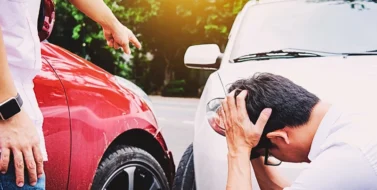

Under Chicago Uber & Lyft laws, who pays after an accident depends on the status of the driver’s app. If the app is on, the rideshare company’s liability policy pays. If the app is off, the driver’s personal insurance covers damages and losses arising from the accident. If another driver was liable, that driver’s insurer will be responsible for covering the arising costs and losses.
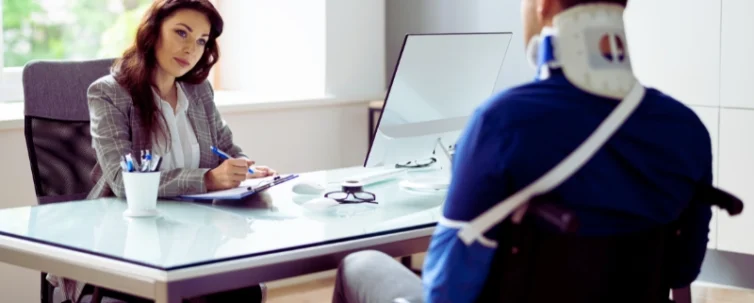
Rideshare accident claims often involve multiple defendants and insurance companies. You need strong representation to navigate the legal process, prove liability, and receive compensation. Rideshare accident attorneys at Lloyd Miller Law are the legal backup you need for a successful claim if you or a loved one has been injured in a rideshare crash. Call (773) 838-8100 to speak with one of our attorneys at no cost.
Table of Contents
How Do Chicago Accident Laws Determine Who Pays After an Uber or Lyft Crash?
In Chicago, fault determination in rideshare accidents follows legal principles. These rules detail the factors to consider when establishing liability. They include:
Negligence
Just like in other car accident claims, fault in rideshare collisions is often assigned to the negligent driver. Negligence means acting in a manner contrary to how another reasonable and careful individual would in a similar situation. Negligence occurs when another motorist’s actions or inactions directly contribute to your injuries.
Drivers may indulge in various negligent behaviors, including:
- Speeding
- Distracted driving, such as texting or making calls while driving
- Driving while intoxicated (DWI)
- Failure to observe “right-of-way” rules
- Running stop signs or red lights
Illinois Modified Comparative Negligence
Multiple drivers may contribute to the crash. It’s not easy to establish liability when two or more drivers share fault. Chicago courts apply the “modified comparative negligence” rule to establish the extent of each driver’s contribution.
Under this legal doctrine, you may be eligible to pursue compensation even if you’re partially at fault. You can only receive compensation if you’re 50% or less at fault. What’s more, your compensation will be reduced by the percentage of fault you contributed.
Claims involving multiple at-fault parties require a thorough investigation. A lawyer can leverage his or her legal authority to gather strong evidence. In case the insurers got hold of the evidence earlier, the lawyer can send out a preservation letter to prevent accident evidence from disappearing.
Vicarious Liability
Vicarious liability is a legal concept that holds employers responsible for the negligent behaviors of their employees that harm others. The application of vicarious liability in Uber or Lyft accidents can be tricky. This is because these companies list rideshare drivers as independent contractors. Therefore, they avoid liability if a passenger gets hurt in an accident caused by the driver.
Vicarious liability in a Chicago rideshare accident is a subject of ongoing legal debate at the federal and state levels. Currently, both existing federal and state laws may apply in determining a company’s liability in rideshare accidents. Additionally, the specific facts of the accident also apply. Rideshare accident lawyers understand vicarious liability and can develop an effective strategy for compelling the rideshare company to cover the cost of your accident and injuries.
What Insurance Coverage Applies in Chicago Uber and Lyft Accidents?
The insurance coverage applicable in rideshare crashes depends on three key moments. Understanding them is crucial, as they determine who pays for accident-related injuries. These moments are:
When the Uber/Lyft App Is Offline
The rideshare driver’s personal auto insurance covers your damages if the app is off. The Illinois Uber and Lyft insurance laws require all drivers to have personal auto insurance with minimum coverage limits. These limits include $25,000 for injury to an individual in a crash, $50,000 for injuries per accident, and $20,000 for property damage.
When the Uber/Lyft Driver Is Online
Sometimes, a rideshare driver’s app might be online, and the driver is ready to accept a ride request. In such a case, if the driver hits you, Uber’s/Lyft’s third-party insurance coverage covers the injury and property damage. It includes:
- $50,000 for injuries per person per accident
- $100,000 for injuries per crash
- $25,000 to cover property damage per crash
When the Driver Is on a Trip or En Route to pick up a Client
Rideshare companies provide comprehensive insurance coverage to drivers working actively for their brands. For example, if you’re an Uber driver on a trip, the company’s insurance offers $1,000,000 for third-party injuries and property damage.
This coverage may also cover your car repair costs with a $2,500 deductible. However, this extra coverage requires you to have an auto insurance, which includes comprehensive and collision coverage.
Who Can Be Held Liable in a Chicago Rideshare Collision?
Several parties may be liable in a rideshare crash. Sometimes, only one driver is at fault. Other times, multiple parties involved in the accident share liability. Commonly liable parties in a Chicago rideshare collision include:
Rideshare Driver
Negligence is one of the legal elements used in determining fault in rideshare accidents. Your Uber driver may indulge in reckless behavior that causes accidents. Driver error, violation of traffic rules, and distracted driving are among the most common causes of car accidents.
When on an Uber or Lyft trip, it means the rideshare app is online. If a driver’s actions cause an accident, Uber’s comprehensive insurance applies. It will cover up to $1,000,000 in injury and property damage.
Another Motorist
Some Uber crashes occur because of another driver. As mentioned earlier, Illinois is an “at-fault” state. That means the other driver’s personal auto insurance will cover your claim. It’s also not uncommon to hear of rideshare accidents caused by uninsured motorists. In such a scenario, the rideshare company’s uninsured motorist policy takes effect.
A seasoned car accident attorney can assess your case, determine available options for pursuing compensation, and help you navigate the legal process.
The Rideshare Company (Vicarious Liability)
In other Uber or Lyft accidents, the rideshare company may bear vicarious liability. This is a rare occurrence. These rideshare companies are large corporations that list drivers as independent contractors to avoid liability. However, the company may be liable for the accident in some cases.
If the company acted negligently in its recruitment process, it may be liable for the driver’s negligent actions. Companies are legally mandated to ensure they hire drivers with a clean driving record. If a company hires a driver with a record of DUIs, it may be liable if the driver causes an accident due to intoxication.
Uber or Lift accidents are more complicated than ordinary crashes involving individual drivers. Rideshare companies and their insurers have the financial muscle to hire an experienced legal team to help them deny liability or devalue your claim. Thankfully, rideshare accident attorneys at Lloyd Miller Group have the legal knowledge, experience, and resources to face these companies and get you sufficient compensation. Contact us to request a free consultation.
Frequently Asked Questions (FAQs)
How does insurance work after an Uber or Lyft accident in Chicago?
The rideshare company’s liability insurance will likely cover your injuries after an Uber or Lyft accident. However, the coverage will depend on the status of the rideshare app when the accident happened. The driver’s personal insurance covers your injuries and ensuing damages if the rideshare app was offline when the accident occurred. The rideshare company will cover your damages if the app was online and the driver was on a trip.
Who is responsible for covering your medical bills after a rideshare accident?
Illinois is an at-fault insurance state. So, the party or entity that caused the rideshare accident will be responsible for your treatment expenses. Several parties may be liable, including the rideshare driver, another motorist, or the rideshare company.
Can you file a claim against both the driver and the rideshare company?
You can file a claim against the driver and the company. Injured passengers can pursue compensation through the driver’s auto insurance or the company’s liability coverage. You only file a claim against the company directly if the evidence shows vicarious liability.