


Free Consultation
phone ringing icon
Featured Posts
Man holding head in despair after car collision. if the at-fault driver's insurance doesn't cover your injuries
Your options if the at-fault driver’s insurance does not cover your injuries in Chicago, IL, include relying on your uninsured/underinsured motorist (UM/UIM) policy, suing the driver directly, or covering your medical bills with your health insurance. An attorney can examine your case, discuss available options for compensation, and compile strong evidence to prove the full scope of your damages. Working with an attorney protects you from spending your money to pay for expenses arising from another party’s negligence, even when insurance coverage is limited.
An insurance claim form surrounded by financial documents, a calculator, a pen, and eyeglasses. Ask for More After an Insurance Settlement Offer
You can ask for more after an insurance settlement offer in Chicago, IL, because the first offer marks the beginning of the negotiation process. The initial offer is often low, and insurance companies hope that you will accept it so that they can close the claim quickly at a minimal cost. You have the right to counter a lowball offer by asking for a higher amount. Accepting a settlement too quickly bars you from pursuing additional compensation in the future. That means you will have to cover any additional costs arising from your injury out of pocket. The best practice is to talk to a lawyer before accepting a settlement, especially if you receive the offer immediately after the accident/incident.
If you were injured in a trucking accident in Chicago, Berwyn, Oak Lawn, Cicero, or a nearby community, call the injury attorneys at Lloyd Miller Law for a free consultation.

Car Accidents Are the #1 Safety Issue for Kids, But 4 out of 5 Caregivers Fail to do This

Posted By:

Recent data has shown that caregivers often make several key mistakes when installing car seats for children, although car accidents pose the biggest safety risk to children. Specifically, the National Digital Car Seat Check Form (NDCF) database details the mistakes that caregivers are making.

Caregivers Make Three Primary Mistakes

According to the NDCF, caregivers make three common mistakes when installing children’s car seats. The first mistake is loose installation, which prevents the seat from remaining securely in place in the event of a car accident. The second most common mistake is failure to use the connected tether with seat belts or lower anchors for car seats that face forward. The third frequent mistake is failing to tighten the harness straps when securing the seat into place.

Rushing Transitions Between Car Seats

The NDCF also found that caregivers often rush to change from forward-facing car seats to booster seats. Over 25% of children make the transition too early on, and over 90% of children under 10 who use conventional seats still require booster seats.

Older Children Need Seat Inspections

Another NDCF finding was that caregivers are less inclined to have car seats inspected when the children switch to forward-facing seats and booster seats. The study specifically concluded that safety technicians inspect nearly four times the number of rear-facing car seats compared to forward-facing ones. Additionally, technicians found that 73% of forward-facing seats are improperly installed.

When It Isn’t the Caregiver’s Fault

Although parents and other caregivers may make mistakes that contribute to unsafe children’s car seat installation and use, sometimes it’s the vehicle or car seat design that’s at fault. For example, the Maxi-Cosi Pria 85 Convertible Child Car Seat was recently recalled because of a design that put children at risk of head injuries. In addition, a variety of newer vehicles were recalled because of loose seat belts that weren’t tight enough to secure car seats.

Caregivers can still take certain steps to make sure children are safe in vehicles. Online courses are available for caregivers that detail the four stages of passenger safety for children, including all types of car seats. Taking these precautions could help minimize the risk of auto accidents involving unsecured children’s car seats, including rear-facing, forward-facing, and booster seats.

About the Author

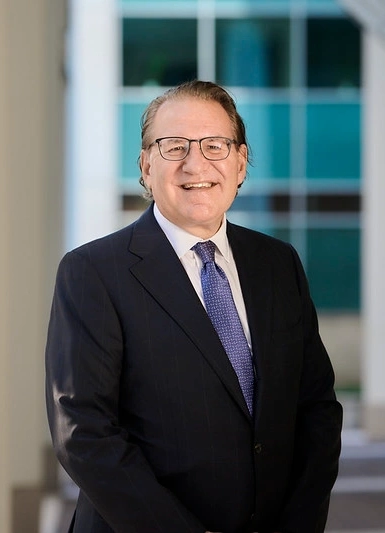
Kurt D. Lloyd is a plaintiff’s trial lawyer who focuses on medical malpractice and other catastrophic injury cases. He lives in Chicago and represents injured clients throughout Illinois. He is also the founder of Lloyd Miller Law, Ltd.

Years of Experience: Over 35 years
Illinois Registration Status: Active
Bar Admissions: Illinois State Bar

Kurt D. Lloyd is a plaintiff’s trial lawyer who focuses on medical malpractice and other catastrophic injury cases. He lives in Chicago and represents injured clients throughout Illinois. He is also the founder of Lloyd Miller Law, Ltd.

Years of Experience: Approx. 20 years
Minnesota Registration Status: Active
Bar & Court Admissions: Illinois State Bar Association U.S. District Court, Northern District of Illinois

Kurt D. Lloyd is a plaintiff’s trial lawyer who focuses on medical malpractice and other catastrophic injury cases. He lives in Chicago and represents injured clients throughout Illinois. He is also the founder of Lloyd Miller Law, Ltd.

Years of Experience: Over 35 years
Illinois Registration Status: Active
Bar Admissions: Illinois State Bar
About the Author

Kurt D. Lloyd is a plaintiff’s trial lawyer who focuses on medical malpractice and other catastrophic injury cases. He lives in Chicago and represents injured clients throughout Illinois. He is also the founder of Lloyd Miller Law, Ltd.

Years of Experience: Over 35 years
Illinois Registration Status: Active
Bar Admissions: Illinois State Bar