
Free Consultation
phone ringing icon
Featured Posts
The word "SETTLEMENT" printed on a torn piece of paper placed over several U.S. hundred-dollar bills. Low Settlement Offers
Once you receive a lowball settlement offer, politely reject it, remain calm, ask for a written explanation, and document everything. Low settlement offers are a common tactic insurance companies use to reduce the actual claim value after a Chicago car accident. The insurer exploits your vulnerability and limited legal knowledge to trick you into accepting a payout that does not cover the full scope of your damages or losses. 
A woman sitting on the roadside, holding her head in distress after a car accident. Why Insurance Companies Delay Car Accident Claims
Insurance companies delay car accident claims even when fault is clear to earn interest from the funds set aside for a payout, bring the claim near the statute of limitations, and push the claimant to accept a lowball settlement offer or quit pursuing the claim altogether. Delays in a Chicago car accident claim can lower your settlement value by weakening evidence and allowing insurers to dispute liability or damages. Crucial steps you can take to protect your rights when an insurance company delays your accident claim include recording every interaction, carefully examining your insurance policy, and seeking legal support.
a man in a wheelchair with a neck brace and an arm sling, indicating he has sustained injuries. Uber & Lyft Laws
Under Chicago Uber & Lyft laws, who pays after an accident depends on the status of the driver’s app. If the app is on, the rideshare company’s liability policy pays. If the app is off, the driver’s personal insurance covers damages and losses arising from the accident. If another driver was liable, that driver’s insurer will be responsible for covering the arising costs and losses.
If you were injured in a trucking accident in Chicago, Berwyn, Oak Lawn, Cicero, or a nearby community, call the injury attorneys at Lloyd Miller Law for a free consultation.

Older Pedestrians Need Our Care

Posted By:

41 million Americans are 65 or older. They are enjoying active and healthier lifestyles achieved often through the simple act of walking. Walking increases bone and muscle strength, mobility, agility, and independence. It helps to prevent, delay and control chronic illness and fosters social interactions and better quality of life.

However, walking, for all its benefits, presents a risk to older pedestrians that could be preventable.

The December issue of the AARP Bulletin noted that people 65 and older make up 13 percent of the population but account for a disproportionate share of pedestrian deaths. This population also sustains more severe injuries than other demographics when hit by a car or bicycle.

Many factors increase the risk for older pedestrians. They may not see or hear as well, think as clearly or move as fast as they once did. Some may fail to make appropriate accommodations for these declines.

Reckless drivers and cyclists may be equally culpable in the rising incidence of older pedestrian injuries. Drivers and cyclists may be dismissive of the capabilities of older pedestrians by trying to turn around a slow pedestrian in a crosswalk or speeding around corners where older pedestrians are attempting to cross.

Until recently, most communities were built for easy vehicular access, not pedestrian safety. Wide two-way streets, often with multiple lanes can make it impossible for an older person to cross in one light.

Drivers and cyclists alike need to be aware of the special considerations of older pedestrian. Aggressive movement cannot be accommodated by older pedestrians and it is the duty of the driver or cyclist to make appropriate adjustments.

Older pedestrians can protect themselves by:

  • Wearing reflective and light clothing
  • Be aware of cyclists as a danger-older pedestrians often don’t look for cyclists
  • Heed the traffic light count-down
  • Enlist the help of other pedestrians to assure safe passage
  • Time your walk across frequently used streets and refrain from stepping off the curb unless there’s enough time left to reach the other side safely
  • I can’t recommend this strategy but many of our older clients state that they prefer to cross in the middle of a block where they can see traffic from both directions and do not need to worry about turning cars.

Walking is a basic need and right of life. Let’s try to make walking safe and enjoyable for older pedestrians.
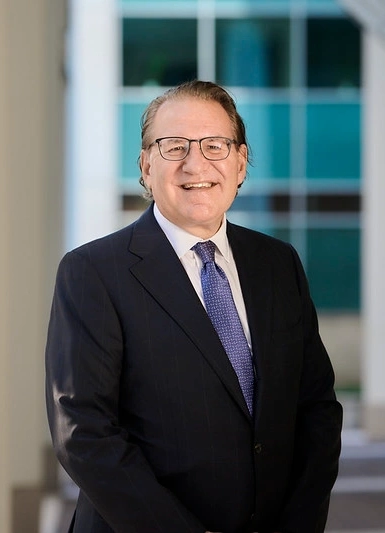
About the Author

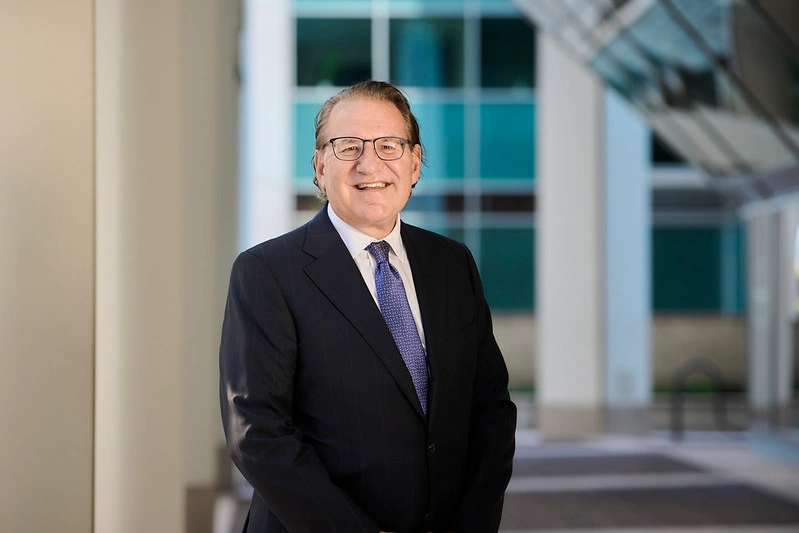
Kurt D. Lloyd is a plaintiff’s trial lawyer who focuses on medical malpractice and other catastrophic injury cases. He lives in Chicago and represents injured clients throughout Illinois. He is also the founder of Lloyd Miller Law, Ltd.

Years of Experience: Over 35 years
Illinois Registration Status: Active
Bar Admissions: Illinois State Bar

Kurt D. Lloyd is a plaintiff’s trial lawyer who focuses on medical malpractice and other catastrophic injury cases. He lives in Chicago and represents injured clients throughout Illinois. He is also the founder of Lloyd Miller Law, Ltd.

Years of Experience: Approx. 20 years
Minnesota Registration Status: Active
Bar & Court Admissions: Illinois State Bar Association U.S. District Court, Northern District of Illinois

Kurt D. Lloyd is a plaintiff’s trial lawyer who focuses on medical malpractice and other catastrophic injury cases. He lives in Chicago and represents injured clients throughout Illinois. He is also the founder of Lloyd Miller Law, Ltd.

Years of Experience: Over 35 years
Illinois Registration Status: Active
Bar Admissions: Illinois State Bar
About the Author

Kurt D. Lloyd is a plaintiff’s trial lawyer who focuses on medical malpractice and other catastrophic injury cases. He lives in Chicago and represents injured clients throughout Illinois. He is also the founder of Lloyd Miller Law, Ltd.

Years of Experience: Over 35 years
Illinois Registration Status: Active
Bar Admissions: Illinois State Bar