Free Consultation
phone ringing icon
Featured Posts
a man in a wheelchair with a neck brace and an arm sling, indicating he has sustained injuries. Uber & Lyft Laws
Under Chicago Uber & Lyft laws, who pays after an accident depends on the status of the driver’s app. If the app is on, the rideshare company’s liability policy pays. If the app is off, the driver’s personal insurance covers damages and losses arising from the accident. If another driver was liable, that driver’s insurer will be responsible for covering the arising costs and losses.
Surrounding the intersection are tall buildings, and there are yellow taxis and other vehicles navigating the streets. Fault in Chicago Intersection Accidents
The Illinois modified comparative negligence law is instrumental in determining fault in Chicago intersection accidents. This rule apportions a percentage of liability to each driver involved in an accident. A driver who committed a traffic violation by failing to yield to oncoming traffic, speeding through a red light, or failing to maintain a safe driving distance may be found liable. Anyone whose fault is above 50% is barred from recovering damages.
Doctor looking at the brain scan film. Car Accidents and Traumatic Brain Injuries
Settlements for car accident cases involving traumatic brain injuries (TBIs) tend to be higher due to the extensive medical care needed, income loss, emotional toll the injuries have on victims, and long-lasting effects that victims may face. The higher compensation amounts for car accidents and traumatic brain injuries reflect the considerable health and financial consequences of these injuries.
If you were injured in a trucking accident in Chicago, Berwyn, Oak Lawn, Cicero, or a nearby community, call the injury attorneys at Lloyd Miller Law for a free consultation.

The Anatomy of a Crash Investigation

Posted By:

An accident investigation involves many tasks to help determine what caused a car accident. By uncovering what actually took place, an investigation could ultimately help prevent similar accidents from taking place in the future. However, to determine the true cause of an accident, the process entails a variety of steps and can be challenging to complete, requiring experts to conduct thorough investigations.

The Requirements of a Crash Investigation

Crash investigators need to develop a process with three main goals in mind, including:

  • Determining the root cause of the accident
  • Finding facts as opposed to faults
  • Implementing changes to prevent future accidents of a similar nature

Additionally, crash investigation experts must establish a policy ensuring that all car accidents and even close calls will undergo an equally thorough investigation. They also must audit investigations to make sure they’re completed sufficiently and on time.

The Steps for a Crash Investigation

In a crash investigation, the process will involve several key steps. The steps are:

Background Investigation

This part of the process entails reviewing the records of individuals whose actions contributed to the crash. In addition, investigators will review reports of injuries or damage to property that occurred because of the accident.

This step also involves gathering witness lists, along with information about the conditions of the area, including maps.

Site Investigation

After the background investigation, investigators will conduct a site investigation. This starts by arriving at the scene of the accident as soon as possible after the accident takes place. Investigators will also restrict the accident scene to authorized individuals.

Investigators then gauge how other factors may have altered the scene following the accident, including weather or traffic. They may also draw certain elements of the scene to keep track of where certain property or equipment is in relation to the accident, or where actions that contributed to the accident may have taken place.

Investigators also take photographs of the scene, including any damaged areas and property. 

Interviews

Following the site investigation, it’s time to interview witnesses and others involved in the accident, either directly or indirectly. All interviews are conducted in private settings to minimize distractions, and their goal is to determine the who, what, when, why, where, and how of the accident.

Following all of these steps, investigators will analyze and report their findings, which may help prevent future accidents. 

About the Author

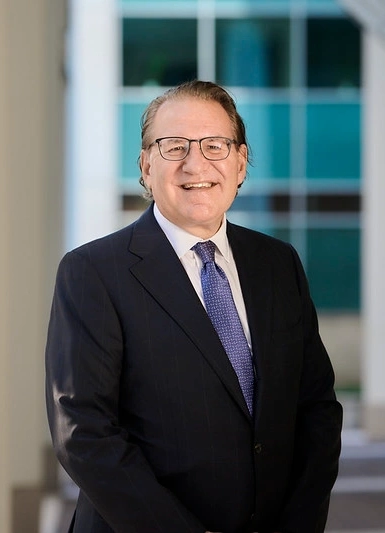
Kurt D. Lloyd is a plaintiff’s trial lawyer who focuses on medical malpractice and other catastrophic injury cases. He lives in Chicago and represents injured clients throughout Illinois. He is also the founder of Lloyd Miller Law, Ltd.

Years of Experience: Over 35 years
Illinois Registration Status: Active
Bar Admissions: Illinois State Bar

Kurt D. Lloyd is a plaintiff’s trial lawyer who focuses on medical malpractice and other catastrophic injury cases. He lives in Chicago and represents injured clients throughout Illinois. He is also the founder of Lloyd Miller Law, Ltd.

Years of Experience: Approx. 20 years
Minnesota Registration Status: Active
Bar & Court Admissions: Illinois State Bar Association U.S. District Court, Northern District of Illinois

Kurt D. Lloyd is a plaintiff’s trial lawyer who focuses on medical malpractice and other catastrophic injury cases. He lives in Chicago and represents injured clients throughout Illinois. He is also the founder of Lloyd Miller Law, Ltd.

Years of Experience: Over 35 years
Illinois Registration Status: Active
Bar Admissions: Illinois State Bar
About the Author

Kurt D. Lloyd is a plaintiff’s trial lawyer who focuses on medical malpractice and other catastrophic injury cases. He lives in Chicago and represents injured clients throughout Illinois. He is also the founder of Lloyd Miller Law, Ltd.

Years of Experience: Over 35 years
Illinois Registration Status: Active
Bar Admissions: Illinois State Bar