

Free Consultation
phone ringing icon
Featured Posts
The word "SETTLEMENT" printed on a torn piece of paper placed over several U.S. hundred-dollar bills. Low Settlement Offers
Once you receive a lowball settlement offer, politely reject it, remain calm, ask for a written explanation, and document everything. Low settlement offers are a common tactic insurance companies use to reduce the actual claim value after a Chicago car accident. The insurer exploits your vulnerability and limited legal knowledge to trick you into accepting a payout that does not cover the full scope of your damages or losses. 
A woman sitting on the roadside, holding her head in distress after a car accident. Why Insurance Companies Delay Car Accident Claims
Insurance companies delay car accident claims even when fault is clear to earn interest from the funds set aside for a payout, bring the claim near the statute of limitations, and push the claimant to accept a lowball settlement offer or quit pursuing the claim altogether. Delays in a Chicago car accident claim can lower your settlement value by weakening evidence and allowing insurers to dispute liability or damages. Crucial steps you can take to protect your rights when an insurance company delays your accident claim include recording every interaction, carefully examining your insurance policy, and seeking legal support.
a man in a wheelchair with a neck brace and an arm sling, indicating he has sustained injuries. Uber & Lyft Laws
Under Chicago Uber & Lyft laws, who pays after an accident depends on the status of the driver’s app. If the app is on, the rideshare company’s liability policy pays. If the app is off, the driver’s personal insurance covers damages and losses arising from the accident. If another driver was liable, that driver’s insurer will be responsible for covering the arising costs and losses.
If you were injured in a trucking accident in Chicago, Berwyn, Oak Lawn, Cicero, or a nearby community, call the injury attorneys at Lloyd Miller Law for a free consultation.

Hands-Free Technology: Is it Really Safe?

Posted By:

Proponents claim that hands-free technology improves driver safety. Studies reveal, however, that this is not true. In fact, recent research indicates that talking on the phone using hands-free technology may be more dangerous than driving while drunk.

National Safety Council: Hands-Free Still Poses Risks

According to data from the National Safety Council (NSC), hands-free technology does not lead to safer driving. The NSC details the role of hands-free technology and the reasons why hands-free technology does not substantially contribute to safer roads. NSC data concluded that every day, 9 people are killed and over 1,000 people sustain injuries in auto accidents where distracted driving is a contributing factor.

Drivers who use hands-free technology can miss up to 50% of the view in front of them while they are talking on the phone. While the driver’s eyes might be looking out the windshield and his or her hands are on the steering wheel, the person’s mind will be unevenly focused on the phone call and driving. 

The NSC reasons that holding a phone conversation on a hands-free device is similar to talking on the phone while reading a book. The human brain does not perform as well when trying to perform more than one attention-demanding task at a time. The NSC also reports that:

  • a driver’s ability to process moving images decreases by up to 30% when talking on a phone.
  • distracted driving accident statistics have remained largely the same in recent years despite the increase in hands-free device use.
  • crashes involving hands-free technology are underreported.
  • cellphone use causes drivers’ reaction times to be slower.
  • people who talk on a cellphone while driving are 4 times more likely to be involved in a crash.

Drivers Must Keep Their Mind on Driving

Hands-free devices may enable drivers to keep their hands on the steering wheel, but that is only one area of distraction drivers face. Drivers who are using the technology may still be tempted to look at their phones while driving, and they’re actively engaging in distracted driving when speaking to another person over the phone.

To help keep the roads safer, drivers should use hands-free devices responsibly. They should take steps to limit their reliance on hands-free devices when they are behind the wheel.

About the Author

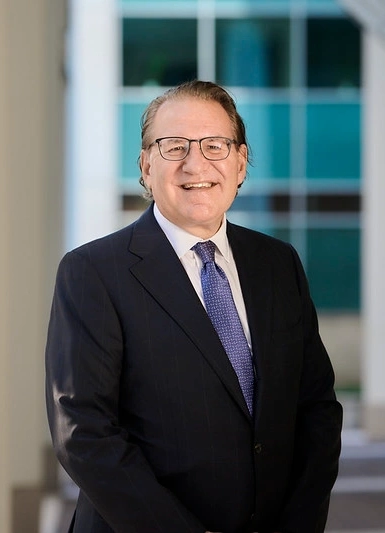
Kurt D. Lloyd is a plaintiff’s trial lawyer who focuses on medical malpractice and other catastrophic injury cases. He lives in Chicago and represents injured clients throughout Illinois. He is also the founder of Lloyd Miller Law, Ltd.

Years of Experience: Over 35 years
Illinois Registration Status: Active
Bar Admissions: Illinois State Bar

Kurt D. Lloyd is a plaintiff’s trial lawyer who focuses on medical malpractice and other catastrophic injury cases. He lives in Chicago and represents injured clients throughout Illinois. He is also the founder of Lloyd Miller Law, Ltd.

Years of Experience: Approx. 20 years
Minnesota Registration Status: Active
Bar & Court Admissions: Illinois State Bar Association U.S. District Court, Northern District of Illinois

Kurt D. Lloyd is a plaintiff’s trial lawyer who focuses on medical malpractice and other catastrophic injury cases. He lives in Chicago and represents injured clients throughout Illinois. He is also the founder of Lloyd Miller Law, Ltd.

Years of Experience: Over 35 years
Illinois Registration Status: Active
Bar Admissions: Illinois State Bar
About the Author

Kurt D. Lloyd is a plaintiff’s trial lawyer who focuses on medical malpractice and other catastrophic injury cases. He lives in Chicago and represents injured clients throughout Illinois. He is also the founder of Lloyd Miller Law, Ltd.

Years of Experience: Over 35 years
Illinois Registration Status: Active
Bar Admissions: Illinois State Bar