TOPICS
Featured Posts
What changes in an Illinois injury claim when an injury becomes permanent is that the focus shifts from temporary recovery to dealing with long-term disability, diminished earning potential, and future medical treatments and expenses. A long-term injury changes your medical documentation, increases your claim value, and pushes the insurer to employ aggressive defense strategies. Comprehensive medical records categorizing your injuries as permanent, a doctor’s report declaring that you have attained maximum medical improvement (MMI), and post-operative reports are some examples of medical evidence to prove a permanent injury in Illinois.
Your options if the at-fault driver’s insurance does not cover your injuries in Chicago, IL, include relying on your uninsured/underinsured motorist (UM/UIM) policy, suing the driver directly, or covering your medical bills with your health insurance. An attorney can examine your case, discuss available options for compensation, and compile strong evidence to prove the full scope of your damages. Working with an attorney protects you from spending your money to pay for expenses arising from another party’s negligence, even when insurance coverage is limited.
Liability for accidents in Chicago construction zones may fall on negligent drivers, construction companies, or government entities. Multiple parties often share liability in such accidents. Fortunately, Illinois adopts a modified comparative negligence system that allows the distribution of fault percentages among all the liable parties.
If you were injured in a trucking accident in Chicago, Berwyn, Oak Lawn, Cicero, or a nearby community, call the injury attorneys at Lloyd Miller Law for a free consultation.
Call: 773-838-8100
Our Blog
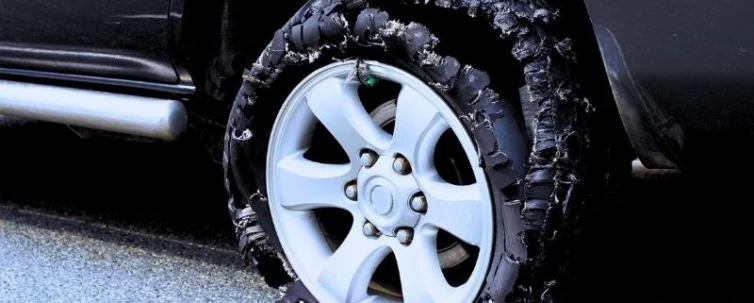
After an accident, you may have the question - is a tire blowout an at-fault accident? Depending on the cause of the blowout, you may be able to prove that the other driver, a maintenance provider, manufacturer, or seller was at fault for your accident. You may be able to claim compensation for your damages from the person who was at fault.
Can you sue a drunk driver after an accident? If the fact that the driver was impaired caused the accident, then you can sue the drunk driver. Drunk driving accidents can have life-changing consequences, often resulting in serious injuries or even fatalities. Such events can abruptly halt your life as you know it. However, if you were not the one driving under the influence, you shouldn't have to pay for the mistake. Luckily, the law allows you to claim compensation if a drunk driver hits you.
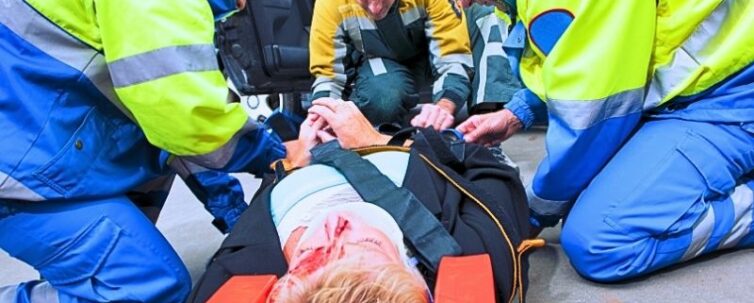
After suffering injuries in a car accident, seek medical attention without delay. This will enable you to undergo a thorough examination and receive treatment for physical injuries resulting from the accident. Seeking immediate medical care can also help in creating a detailed medical record documenting your injuries, which can be used to substantiate claims for compensation that you may wish to make later on.
In T-bone accidents, the driver who acted negligently on the road by not following traffic signs or committing traffic violations is usually at fault. However, while it may appear that the driver who collided with the other vehicle is responsible for the accident, this is not always the case.
The effects of a car crash on the human body can range from whiplash to fractures, sprains, and more serious conditions. The physical forces released during an accident can result in many types of injuries to drivers and passengers, causing significant damage to the human body.
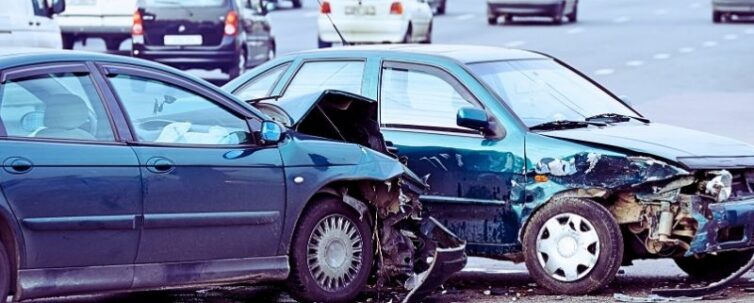
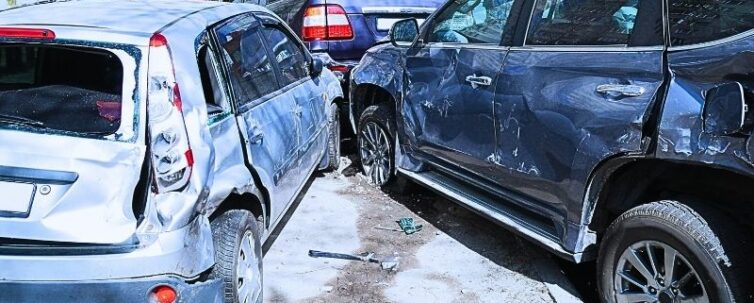
In a multi-car accident, determining fault requires a careful examination of all available facts. Each car accident is unique, and blame for the incident falls on the person or parties responsible. The person responsible for an accident, or his or her insurance company, will bear the major financial responsibility. To determine who is to blame, it is essential to gather sufficient evidence to prove what happened.
Sepsis in nursing homes is a serious concern. The elderly and disabled individuals in these homes need constant care and medical attention. Although nursing homes provide a crucial service by caring for vulnerable members of society, they can also be breeding grounds for infectious diseases and medical errors. These issues can result in severe health complications and even fatalities.
Warning signs of elder abuse include sudden changes in behavior or mood, unexplainable financial hardship, malnourishment or poor hygiene, social isolation or restricted communication, and damaged personal belongings.