Featured Posts
Close-up of personal injury claim form and pen. injury claim when the injury becomes permanent
What changes in an Illinois injury claim when an injury becomes permanent is that the focus shifts from temporary recovery to dealing with long-term disability, diminished earning potential, and future medical treatments and expenses. A long-term injury changes your medical documentation, increases your claim value, and pushes the insurer to employ aggressive defense strategies. Comprehensive medical records categorizing your injuries as permanent, a doctor’s report declaring that you have attained maximum medical improvement (MMI), and post-operative reports are some examples of medical evidence to prove a permanent injury in Illinois.
Man holding head in despair after car collision. if the at-fault driver's insurance doesn't cover your injuries
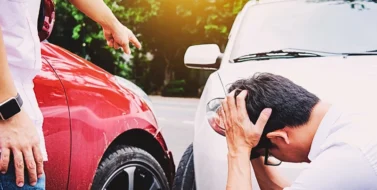
Your options if the at-fault driver’s insurance does not cover your injuries in Chicago, IL, include relying on your uninsured/underinsured motorist (UM/UIM) policy, suing the driver directly, or covering your medical bills with your health insurance. An attorney can examine your case, discuss available options for compensation, and compile strong evidence to prove the full scope of your damages. Working with an attorney protects you from spending your money to pay for expenses arising from another party’s negligence, even when insurance coverage is limited.
If you were injured in a trucking accident in Chicago, Berwyn, Oak Lawn, Cicero, or a nearby community, call the injury attorneys at Lloyd Miller Law for a free consultation.

Our Blog

Who Typically Testifies in a Wrongful Death Lawsuit?

Posted By:
A witness who typically testifies in a wrongful death lawsuit is either an expert or a layperson. Lay witnesses frequently have direct ties to the case and testify based on their personal knowledge. They include witnesses to an accident and people who knew the victim. They do not have any training, special knowledge, or expertise related to the lawsuit.

Can a Pedestrian Sue for Damages if Hit by a Car?

Posted By:
Bicycle & pedestrian accident lawyers help injured plaintiffs determine when a pedestrian can sue a driver in civil court. Lawyers work to estimate the allocation of fault. If they determine that you, the pedestrian, are less than 50 percent at fault, you may have a good case. You must be injured and have suffered compensable damages. In trials, juries are the finders of fact and also act to apportion responsibility for the accident. Before proceeding with a case, your lawyer assesses whether you were involved in situations such as jaywalking, walking while seriously impaired by alcohol or drugs, not using a sidewalk when one was readily available, walking along a highway where pedestrians are not allowed, soliciting for donations, crossing against a crosswalk signal, or hitchhiking.

How Is Pain and Suffering Calculated in a Slip and Fall Lawsuit?

Posted By:
Due to its subjective nature, there is no precise method by which the financial value of a slip and fall victim’s pain and suffering can be measured. Insurance companies often dispute the monetary value of the pain and suffering slip and fall victims experience due to their injuries. Accordingly, insurance companies sometimes claim that slip and fall victims are exaggerating the pain and suffering they are experiencing. Insurance companies present arguments that cause a victim’s pain and suffering to be undervalued.

How to Sue an Insurance Company After a Car Accident

Posted By:
The common way car accident victims receive compensation is by filing a claim after a car accident with the at-fault driver’s insurance company. To file a personal injury claim, you need to contact the other driver’s insurance company and inform them of the collision. Prior to contacting the other driver’s insurance company, it is advisable to hire a car accident injury lawyer.  Filing a claim with the other driver’s insurance company is known as a third-party claim. It is called a third-party claim because you, the victim, do not have a contractual relationship with the at-fault driver’s insurance company.