

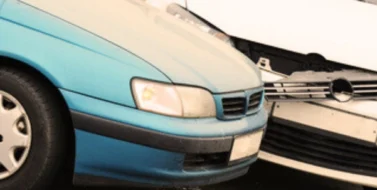
Determining who is liable in a multi-vehicle car accident in Illinois is rarely straightforward. Unlike a two-car collision, these accidents often involve a chain of events, multiple drivers, and conflicting accounts of what happened. Liability may be shared, disputed, or shift as more evidence becomes available.
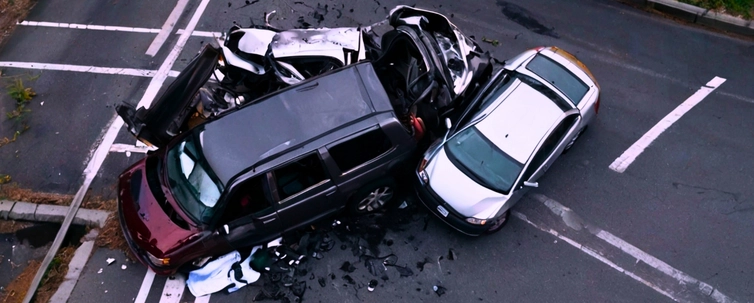
Multi-vehicle crashes are common on busy highways like I-90 or I-294, where traffic congestion and high speeds increase the risk of chain-reaction collisions. A single mistake, such as sudden braking or distracted driving, can trigger a series of impacts that involve several vehicles within seconds.
If you were involved in a multi-vehicle crash, Lloyd Miller Law Group can help you understand your rights and determine who may be liable. Call 773-838-8100 today to discuss your case.
Table of Contents
Key Takeaways
- Liability in a multi-vehicle car accident often involves more than one driver
- Illinois uses comparative fault, which can divide responsibility among parties
- Evidence such as vehicle damage, witness statements, and crash reports is critical
- Insurance companies frequently dispute liability in multi-car accidents
- The outcome of a claim depends on how fault is proven and documented
Why Multi-Vehicle Accidents Are More Complex Than Two-Car Crashes
Being liable in a multi-vehicle car accident involves analyzing a sequence of impacts rather than a single event. Each collision in the chain may have a different cause, and multiple drivers may contribute to the overall outcome.
For example, one driver may initiate the crash by stopping suddenly, while another may be following too closely and fail to brake in time. A third driver may be distracted and unable to react at all. Each of these actions can factor into how liability is assigned.
This layered structure makes it more difficult to determine fault. Investigators must reconstruct the accident step by step, identifying who caused the initial impact and how subsequent collisions occurred.
Chain-Reaction Collisions and Initial Fault
In many cases, the driver who caused the first collision is considered primarily liable. However, this is not always the case. Other drivers may still share responsibility if they failed to maintain a safe distance or respond appropriately. This is why liability cannot be assumed based solely on the first impact. Each driver’s behavior is evaluated individually.
How Illinois Law Determines Liability in Multi-Vehicle Crashes
Illinois follows a modified comparative fault system. This means that more than one party can be liable in a multi-vehicle car accident, and each party is assigned a percentage of fault. If you are found partially responsible, your compensation may be reduced by your percentage of fault. If you are more than 50% responsible, you may not recover damages at all. Understanding how shared fault works is essential in multi-vehicle cases, where liability is often divided among several drivers.
Why Fault Percentages Matter
Even a small percentage of fault can affect the outcome of your claim. For example, if you are found 20% responsible, your compensation will be reduced by that amount. In multi-vehicle accidents, these percentages are often heavily contested, as each party seeks to minimize their share of liability.
Common Causes of Multi-Vehicle Accidents
Understanding what causes these crashes can help explain who may be liable in a multi-vehicle car accident. Most multi-vehicle collisions begin with a single triggering event that quickly escalates due to surrounding traffic conditions. Rear-end collisions are one of the most common starting points. When one driver fails to stop in time, it can trigger a chain reaction involving multiple vehicles, especially in dense traffic where following distances are already limited.
Distracted driving is another leading factor. A driver who is looking at a phone, adjusting controls, or not paying full attention may fail to notice slowing traffic ahead. That delayed reaction can set off a sequence of impacts that involve several cars. In these situations, even a few seconds of inattention can be enough to cause a large-scale accident.
Speeding also plays a role. Drivers traveling above the speed limit or too fast for conditions have less time to react and require more distance to stop. When traffic suddenly slows, speeding drivers are more likely to collide with vehicles ahead, increasing the likelihood of a multi-car crash. Sudden lane changes and aggressive driving behaviors can further complicate these situations. A driver who cuts into a lane without enough space may force others to brake abruptly, creating a ripple effect across multiple lanes.
Traffic congestion itself is a major contributing factor. On busy highways and urban roads, vehicles often travel close together. This reduces the margin for error and increases the chance that one mistake will involve multiple drivers. Construction zones, merging lanes, and bottlenecks can intensify these risks by forcing drivers to make quick decisions in limited space.
Evidence Used to Determine Liability
Establishing who is liable in a multi-vehicle car accident depends heavily on evidence. Because these cases involve multiple parties, strong documentation is essential. Police reports are often the starting point, but they are not always definitive. Additional evidence may include witness statements, photographs, video footage, and vehicle damage analysis.
In complex cases, accident reconstruction experts may be used to analyze the sequence of events. These experts examine physical evidence, vehicle positions, and impact points to determine how the crash occurred. Their findings can play a significant role in assigning fault and supporting a claim.
Why Insurance Companies Dispute Multi-Vehicle Claims
Insurance companies often take a defensive approach in multi-vehicle accidents. Because multiple parties may be liable, insurers may attempt to shift blame to reduce their financial responsibility. It is common for insurers to argue that another driver was primarily at fault or that liability is unclear. In some cases, insurance companies delay claims while they investigate or negotiate with other carriers.
Multiple Policies and Conflicting Interests
When several insurance policies are involved, each company has its own interests. This can lead to delays, disputes, and inconsistent conclusions about fault. For accident victims, this often means a longer and more complicated claims process.
How Settlement Offers Are Calculated in Multi-Car Cases
Once liability is determined, insurance companies evaluate damages and make settlement offers. However, these offers may not always reflect the full value of a claim. It is not uncommon to receive a low settlement offer early in the process. These offers may be based on limited information or an attempt to resolve the claim quickly.
Why Early Offers May Undervalue Your Claim
Accepting a settlement too soon can prevent you from recovering additional compensation later. This is especially important in multi-vehicle cases, where injuries and damages may take time to fully assess. Careful evaluation of medical costs, lost income, and long-term impacts is essential before agreeing to a settlement.
Special Challenges in Proving Liability
Proving who is liable in a multi-vehicle car accident can be challenging due to conflicting accounts and overlapping causes. Drivers may provide different versions of events, and physical evidence may be difficult to interpret. In some cases, liability may shift as new evidence emerges. This can lead to ongoing disputes between parties and insurers.
Witnesses can provide valuable insight into how the crash occurred. Their statements may help clarify the sequence of events and identify which drivers were at fault. However, witness accounts can also vary, which adds another layer of complexity to the case.
How Legal Representation Can Impact the Outcome
Multi-vehicle accident claims often require a strategic approach. With multiple parties, insurance companies, and legal issues involved, handling the process alone can be difficult. Working with a car accident lawyer can help ensure that your case is properly investigated and that your rights are protected. Legal representation can also help manage negotiations and address disputes over liability.
A strong case begins with gathering evidence, documenting injuries, and understanding how fault applies under Illinois law. Early action can help preserve important information and strengthen your position.
What to Expect During the Claims Process
The claims process for a multi-vehicle accident can take longer than a typical case. Investigations may involve multiple insurers, expert analysis, and ongoing negotiations. Patience and preparation are important. While some cases resolve through settlement, others may require litigation to reach a fair outcome.
Understanding Liability in Multi-Vehicle Accidents
Being liable in a multi-vehicle car accident in Illinois depends on a detailed analysis of driver behavior, evidence, and legal standards. These cases are rarely simple, and liability is often shared among multiple parties.
By understanding how fault is determined and how claims are handled, accident victims can take a more informed approach to pursuing compensation. If you were involved in a multi-vehicle accident, Lloyd Miller Law Group is ready to help you navigate the process and protect your rights. Call 773-838-8100 today to get started.