Featured Posts
Close-up of personal injury claim form and pen. injury claim when the injury becomes permanent
What changes in an Illinois injury claim when an injury becomes permanent is that the focus shifts from temporary recovery to dealing with long-term disability, diminished earning potential, and future medical treatments and expenses. A long-term injury changes your medical documentation, increases your claim value, and pushes the insurer to employ aggressive defense strategies. Comprehensive medical records categorizing your injuries as permanent, a doctor’s report declaring that you have attained maximum medical improvement (MMI), and post-operative reports are some examples of medical evidence to prove a permanent injury in Illinois.
Man holding head in despair after car collision. if the at-fault driver's insurance doesn't cover your injuries
Your options if the at-fault driver’s insurance does not cover your injuries in Chicago, IL, include relying on your uninsured/underinsured motorist (UM/UIM) policy, suing the driver directly, or covering your medical bills with your health insurance. An attorney can examine your case, discuss available options for compensation, and compile strong evidence to prove the full scope of your damages. Working with an attorney protects you from spending your money to pay for expenses arising from another party’s negligence, even when insurance coverage is limited.
If you were injured in a trucking accident in Chicago, Berwyn, Oak Lawn, Cicero, or a nearby community, call the injury attorneys at Lloyd Miller Law for a free consultation.

Our Blog

What Changes in an Illinois Injury Claim When the Injury Becomes Permanent?

Posted By:
Close-up of personal injury claim form and pen. injury claim when the injury becomes permanent
What changes in an Illinois injury claim when an injury becomes permanent is that the focus shifts from temporary recovery to dealing with long-term disability, diminished earning potential, and future medical treatments and expenses. A long-term injury changes your medical documentation, increases your claim value, and pushes the insurer to employ aggressive defense strategies. Comprehensive medical records categorizing your injuries as permanent, a doctor’s report declaring that you have attained maximum medical improvement (MMI), and post-operative reports are some examples of medical evidence to prove a permanent injury in Illinois.

What if the At-Fault Driver’s Insurance Doesn’t Cover my Injuries?

Posted By:
Man holding head in despair after car collision. if the at-fault driver's insurance doesn't cover your injuries
Your options if the at-fault driver’s insurance does not cover your injuries in Chicago, IL, include relying on your uninsured/underinsured motorist (UM/UIM) policy, suing the driver directly, or covering your medical bills with your health insurance. An attorney can examine your case, discuss available options for compensation, and compile strong evidence to prove the full scope of your damages. Working with an attorney protects you from spending your money to pay for expenses arising from another party’s negligence, even when insurance coverage is limited.


Can You Ask for More After an Insurance Settlement Offer?

Posted By:
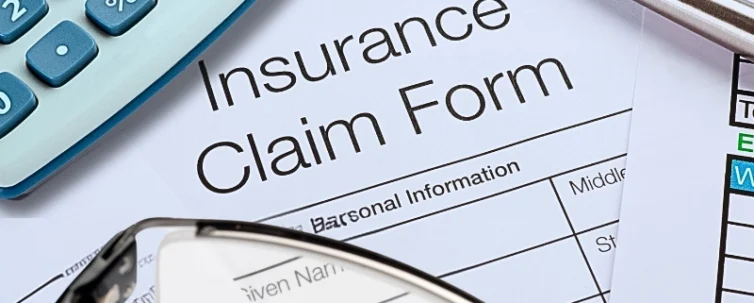
An insurance claim form surrounded by financial documents, a calculator, a pen, and eyeglasses. Ask for More After an Insurance Settlement Offer
You can ask for more after an insurance settlement offer in Chicago, IL, because the first offer marks the beginning of the negotiation process. The initial offer is often low, and insurance companies hope that you will accept it so that they can close the claim quickly at a minimal cost. You have the right to counter a lowball offer by asking for a higher amount. Accepting a settlement too quickly bars you from pursuing additional compensation in the future. That means you will have to cover any additional costs arising from your injury out of pocket. The best practice is to talk to a lawyer before accepting a settlement, especially if you receive the offer immediately after the accident/incident.

Low Settlement Offers After a Chicago Car Accident: What They Mean and What to Do Next

Posted By:
The word "SETTLEMENT" printed on a torn piece of paper placed over several U.S. hundred-dollar bills. Low Settlement Offers
Once you receive a lowball settlement offer, politely reject it, remain calm, ask for a written explanation, and document everything. Low settlement offers are a common tactic insurance companies use to reduce the actual claim value after a Chicago car accident. The insurer exploits your vulnerability and limited legal knowledge to trick you into accepting a payout that does not cover the full scope of your damages or losses. 

Why Insurance Companies Delay Car Accident Claims Even When Fault Is Clear

Posted By:
A woman sitting on the roadside, holding her head in distress after a car accident. Why Insurance Companies Delay Car Accident Claims
Insurance companies delay car accident claims even when fault is clear to earn interest from the funds set aside for a payout, bring the claim near the statute of limitations, and push the claimant to accept a lowball settlement offer or quit pursuing the claim altogether. Delays in a Chicago car accident claim can lower your settlement value by weakening evidence and allowing insurers to dispute liability or damages. Crucial steps you can take to protect your rights when an insurance company delays your accident claim include recording every interaction, carefully examining your insurance policy, and seeking legal support.

Chicago Uber & Lyft Laws: Who Pays After a Crash?

Posted By:
a man in a wheelchair with a neck brace and an arm sling, indicating he has sustained injuries. Uber & Lyft Laws
Under Chicago Uber & Lyft laws, who pays after an accident depends on the status of the driver’s app. If the app is on, the rideshare company’s liability policy pays. If the app is off, the driver’s personal insurance covers damages and losses arising from the accident. If another driver was liable, that driver’s insurer will be responsible for covering the arising costs and losses.